SMART Researchers Project Meeting in Split
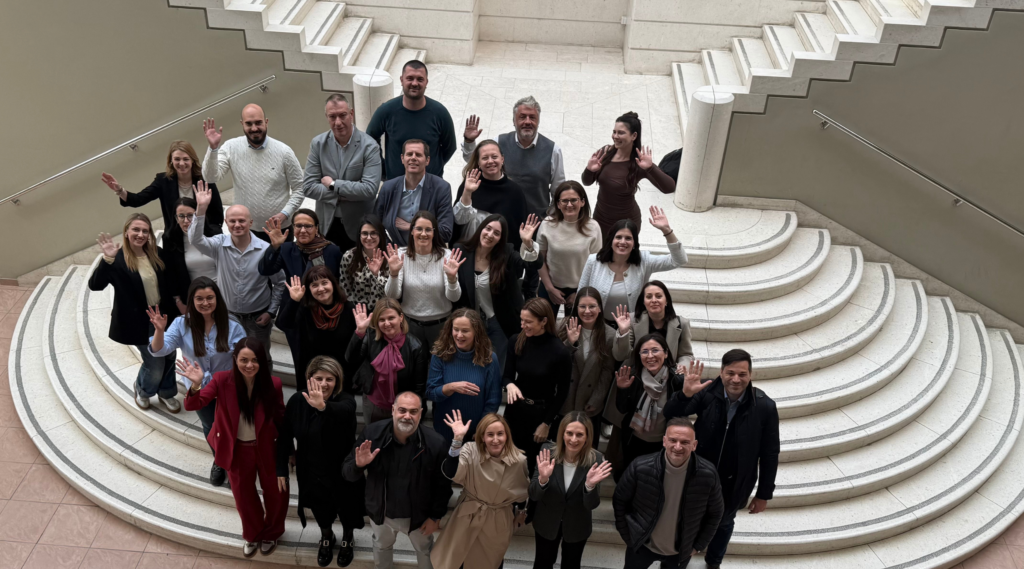
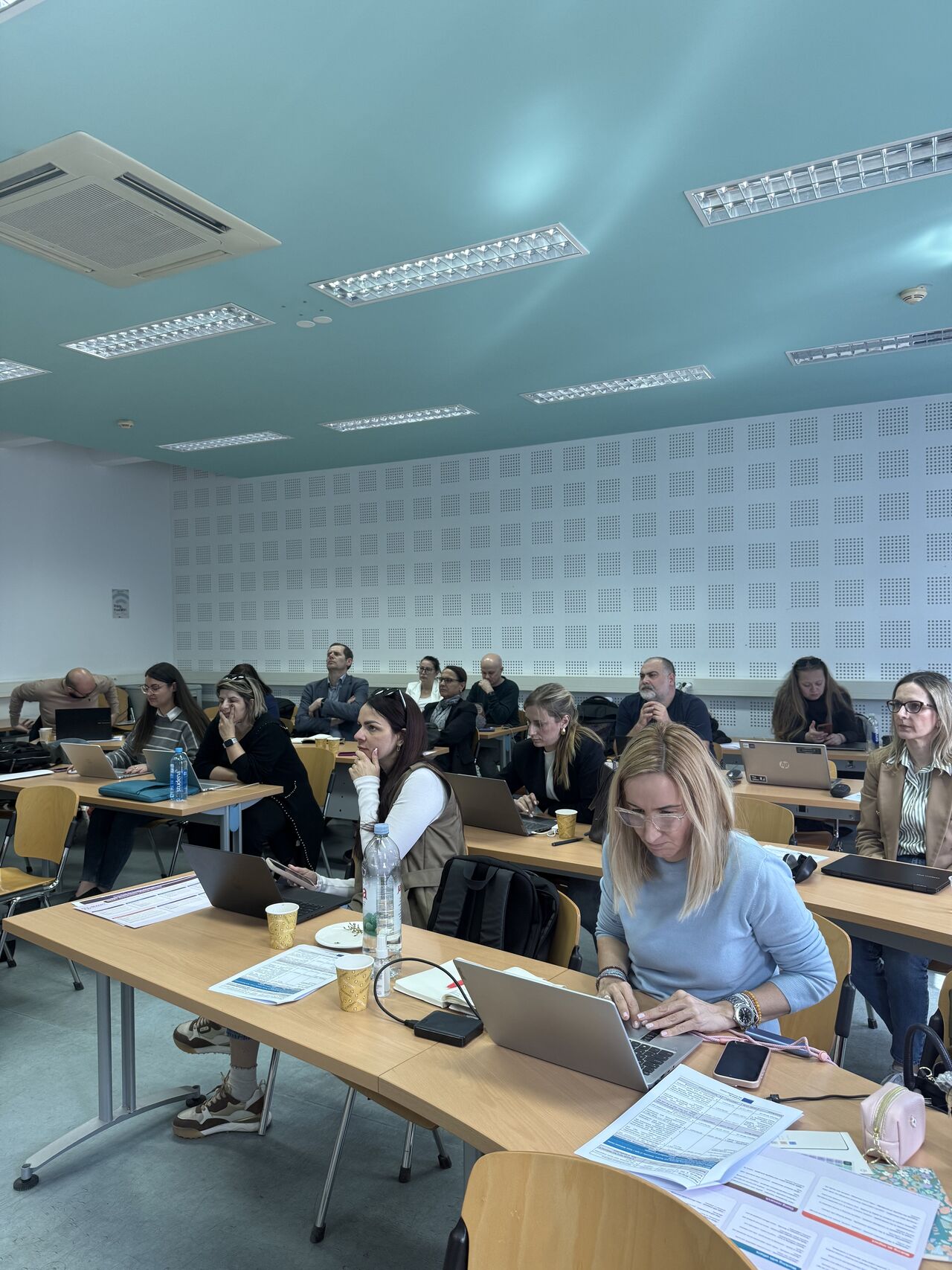
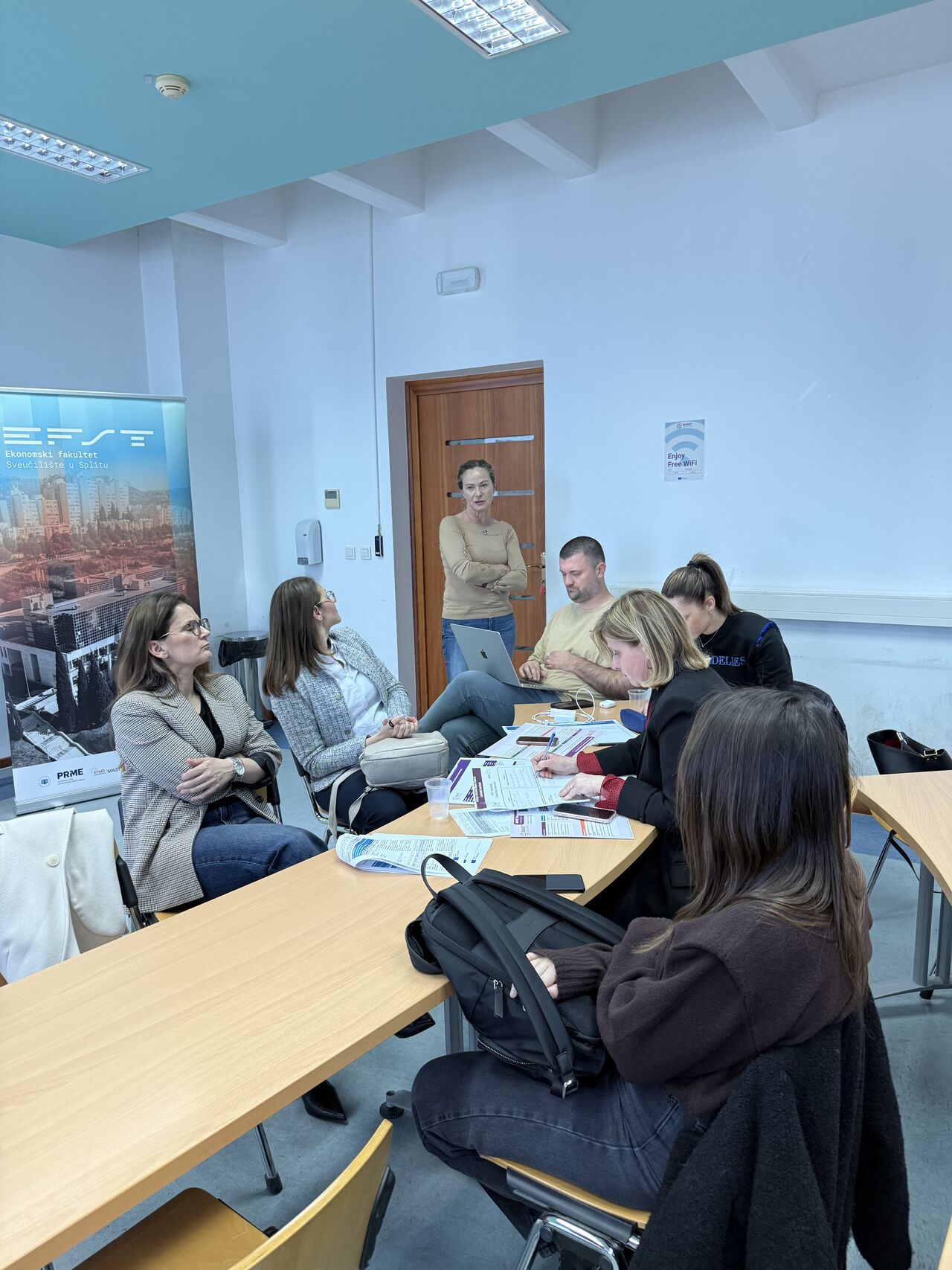
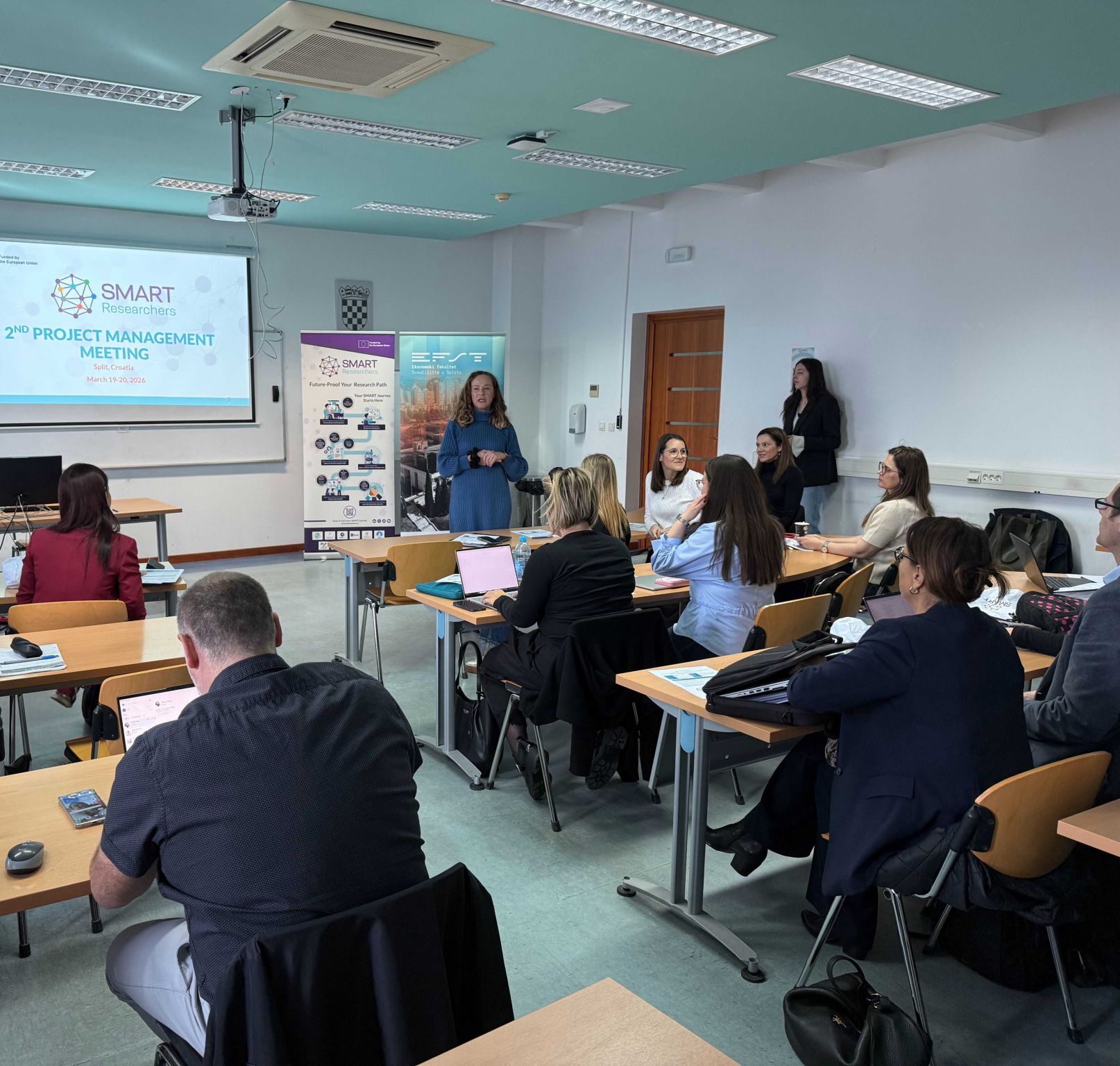
SMART Researchers partners gathered on 19–20 March for a dynamic two-day meeting to reflect on the first six months of the project and align priorities for the next phase of work. The discussions combined a review of progress with forward-looking planning, ensuring a shared understanding of achievements and upcoming steps.
Day 1
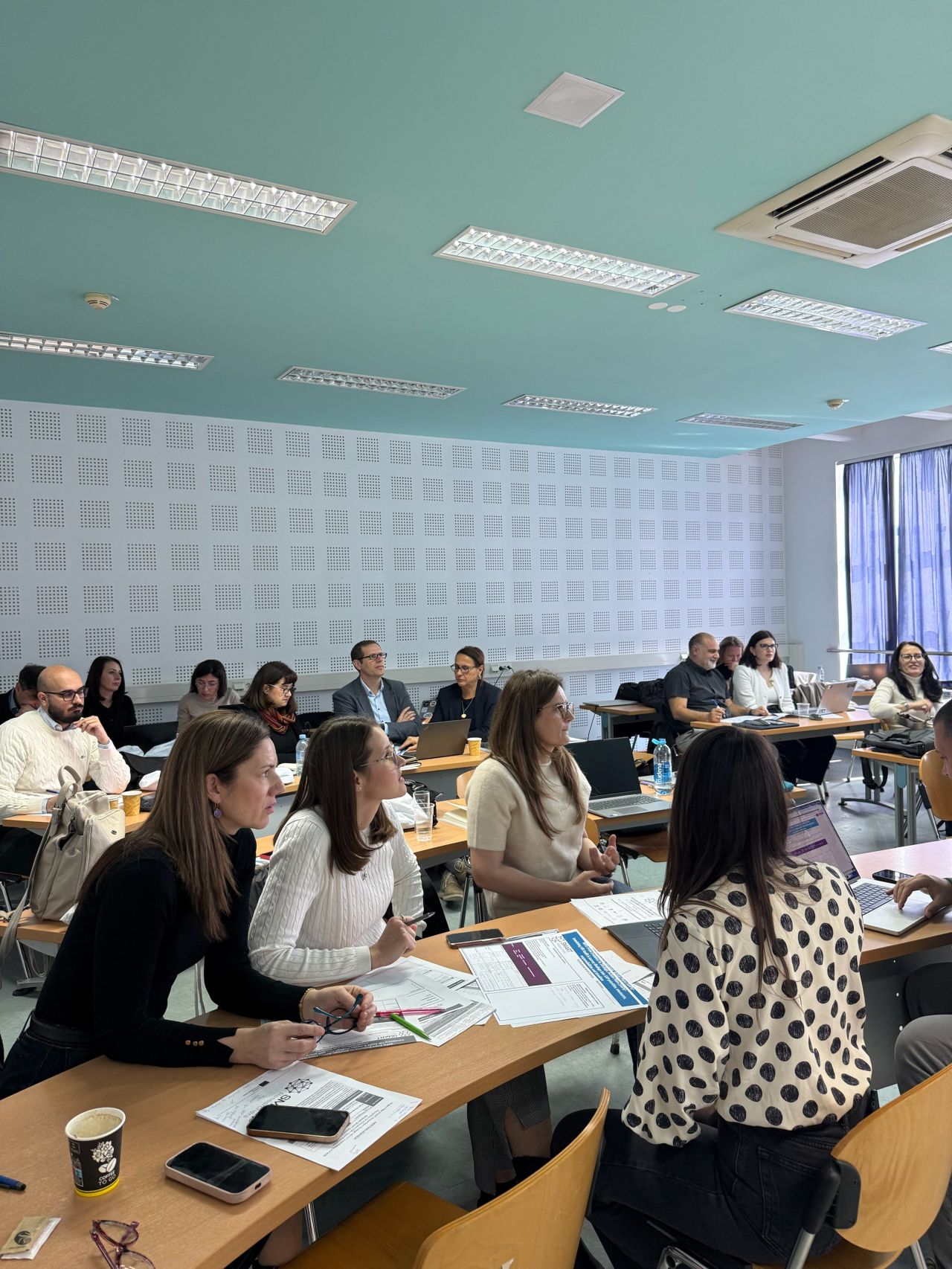
Day 1 focused on discussions around overall implementation progress, complemented by key findings from the HR Audit and early-stage researcher (ESR) surveys. These insights provided a valuable evidence base for understanding institutional needs, researcher experiences, and priority areas for further development across partner organisations.
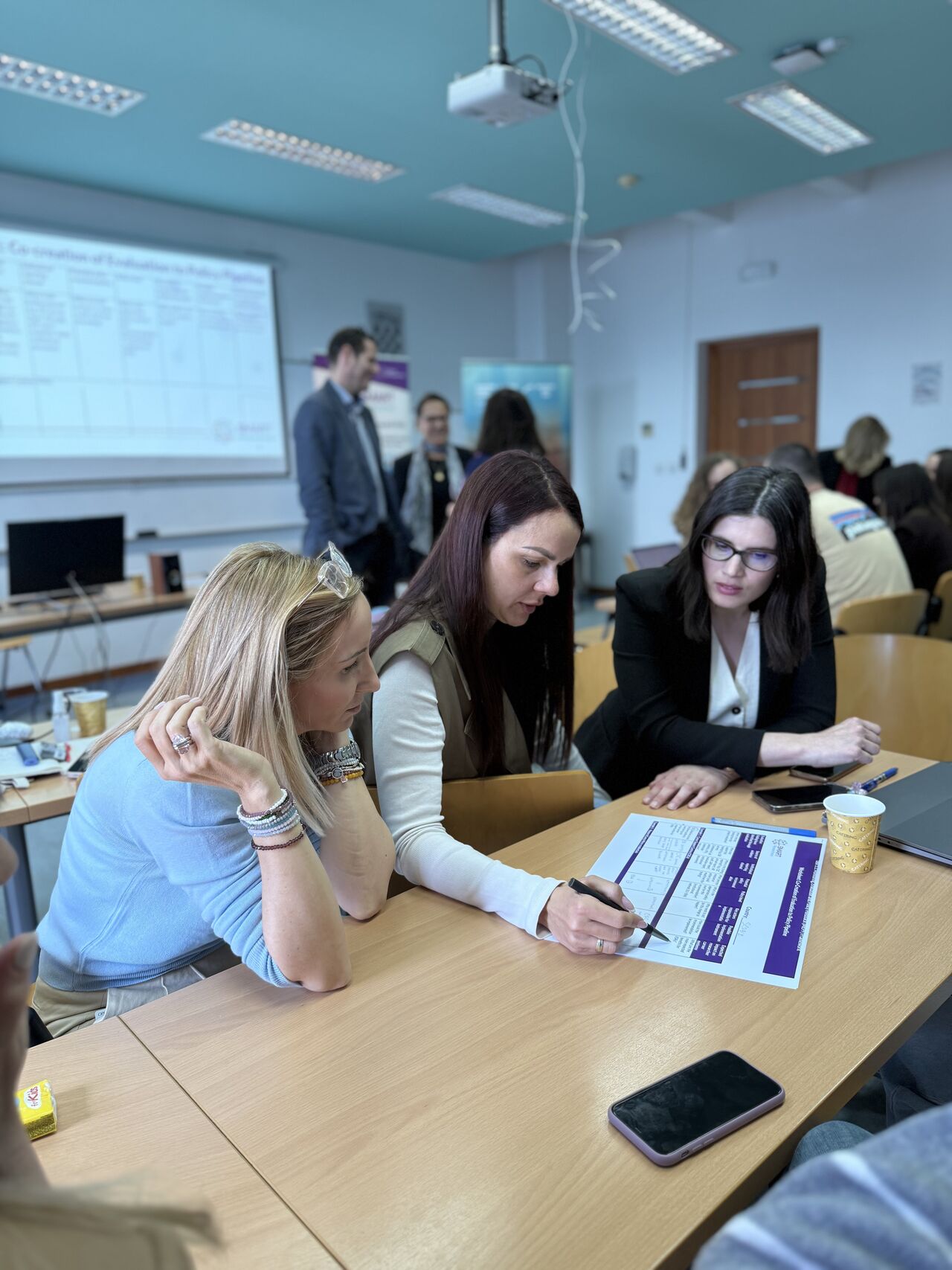
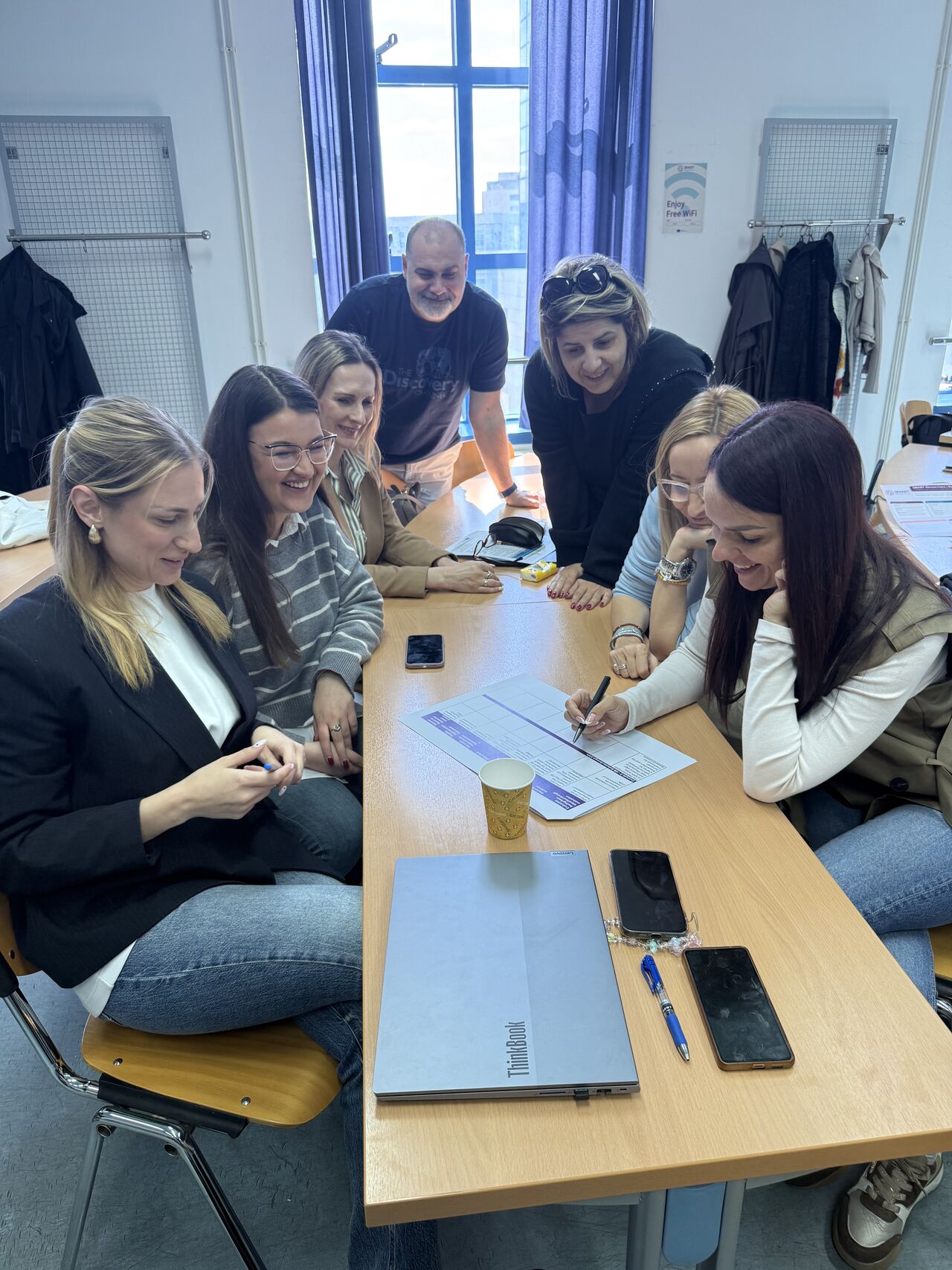
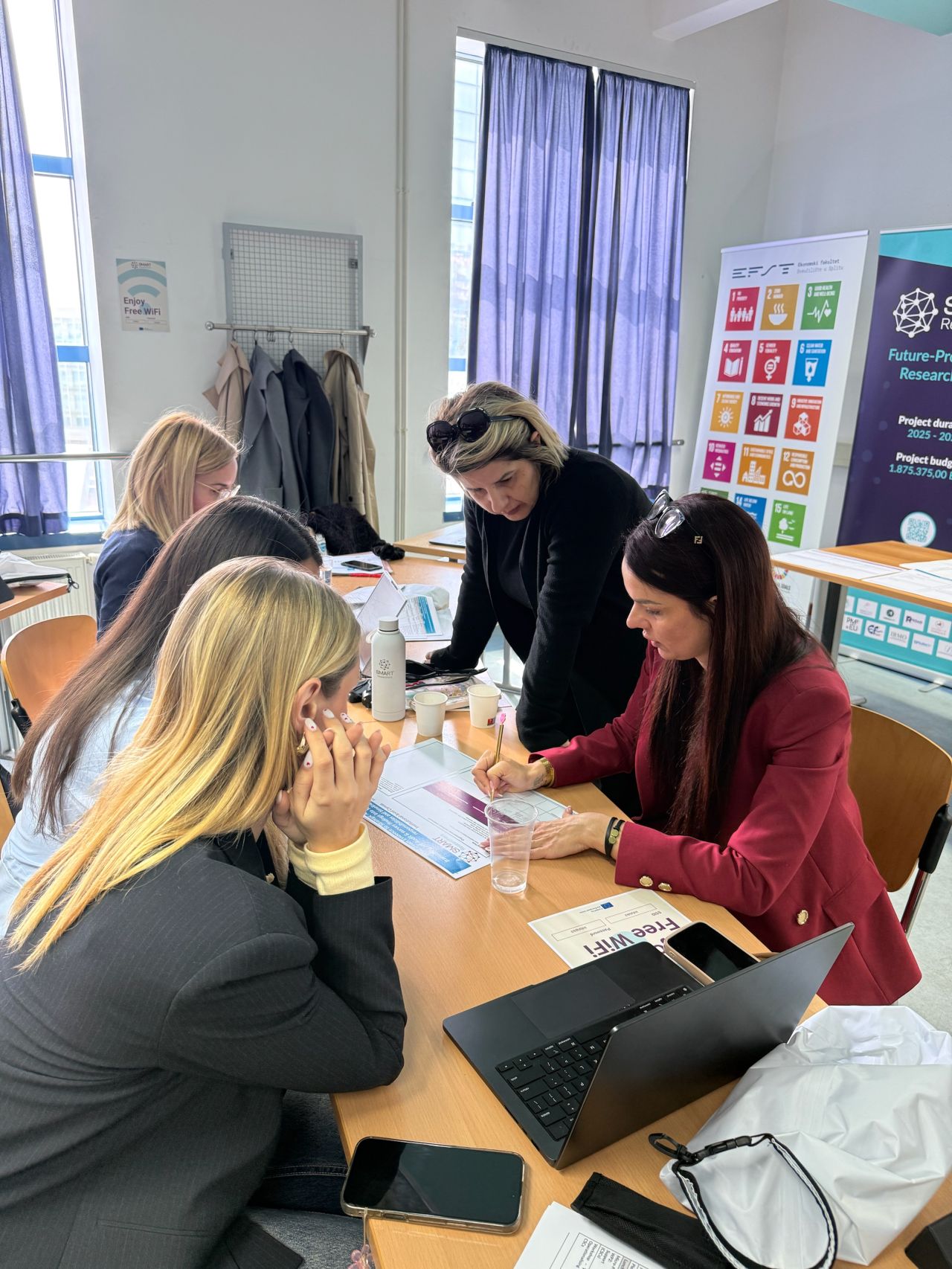
A significant part of the day was dedicated to strategic planning and institutionalisation efforts. Through a hands-on workshop, partners began shaping Strategic Action Plans (SAPs), ensuring that project outcomes are translated into concrete institutional practices. In parallel, the meeting also supported detailed micro-planning for the establishment of Career Support Centres, including initial steps, responsibilities, and alignment with institutional structures.
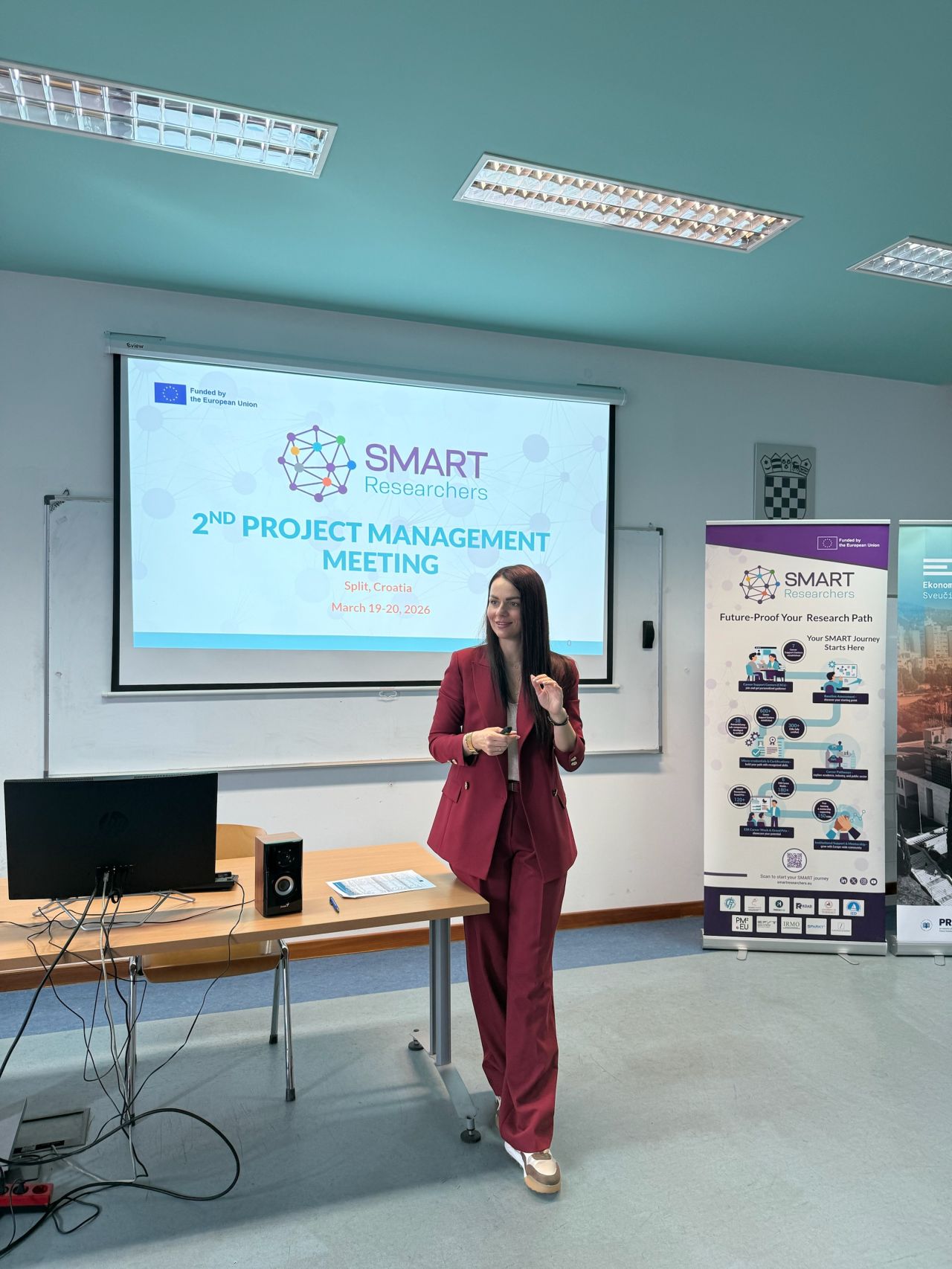
Day 2
Day 2 of the SMART Researchers project meeting focused on co-creation, coordination, and aligning key implementation frameworks across the consortium. The day’s discussions advanced several strategic workstreams. Partners further developed the implementation logic for a ResearchComp-based micro-credentialing and certification framework, supporting the project’s efforts to strengthen researcher skills recognition across Europe.
In parallel, consortium members co-designed the Monitoring, Evaluation and Policy Feedback (MEPF) framework, ensuring a structured approach to tracking progress, capturing impact, and informing policy-relevant outputs. Attention was also given to the planning of the Women in Research Leadership events, which will take place across three countries and aim to support visibility and leadership pathways for women researchers.
Finally, partners aligned dissemination, exploitation, and communication (DEC) activities with project milestones, policy outreach objectives, and long-term sustainability goals, reinforcing a coherent approach to impact and outreach across all work packages.