Key Insights from the SMART Researchers Questionnaire at iED
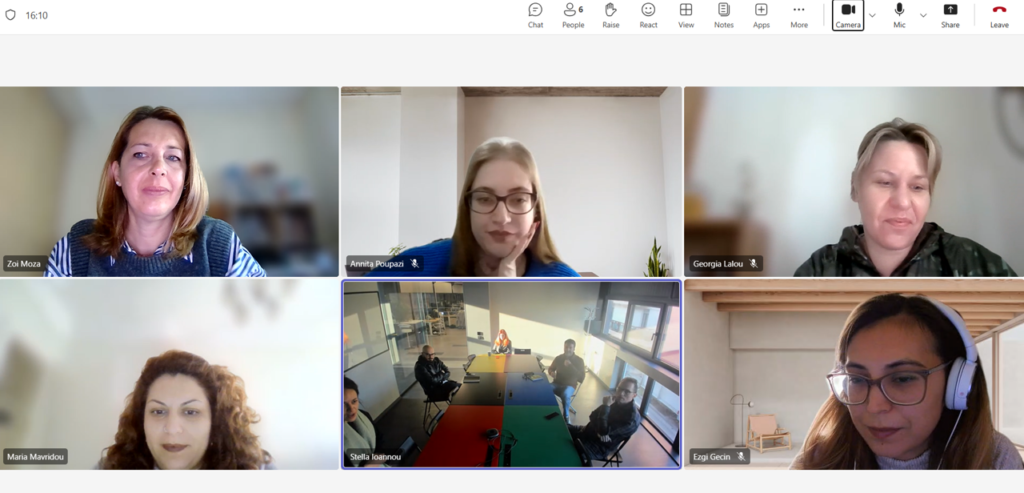
The SMART Researchers Questionnaire was conducted at the Institute of Entrepreneurship Development (iED) to introduce the SMART Researchers project and highlight its alignment with the priorities of the European Research Area and the European Charter for Researchers.
Through the session, researchers were invited to share their perceptions, experiences, and suggestions for improvement across key ERA areas, including ethics and integrity, recruitment and career progression, working conditions, and professional development.
Read on to explore how the session unfolded and the next steps ahead.
Engaging with Early-Stage Researchers
A total of 20 respondents completed the SMART Researchers Questionnaire at iED. The sample included researchers at early career stages (R1–R2), with the majority classified as R1. In terms of employment status, most respondents reported permanent or open-ended positions, while others indicated fixed-term contracts or part-time and project-based engagements.
The questionnaire was administered online and shared with iED researchers during the data collection period. Data collection remained open for one month, providing participants with ample time to respond. To ensure consistency and data quality, all participants received the same questionnaire and instructions. Responses were compiled into a single dataset, enabling uniform data handling and reliable aggregation for analysis.
What We Learned
Across the four pillars, a clear distinction emerges between strengths rooted in everyday working culture and areas that rely on more formalised institutional mechanisms. Where expectations are shaped through daily interaction, such as academic freedom, inclusion, and flexible working conditions, responses are consistently strong and positive.
More moderate perceptions are linked to areas that typically require structured support, standardisation, and dedicated resources. These include systematic capacity building in ethics and integrity, practical mechanisms for implementing Open Science, more consistent recognition frameworks in assessment and progression, and institution-wide approaches to career development and mentoring.
A second cross-cutting theme concerns consistency across projects, teams, and career stages. While qualitative feedback confirms the presence of supportive practices, these are not always applied uniformly, particularly in fast-paced, project-driven environments. As a result, researchers often rely on informal arrangements, leading to variability in their experiences.
Respondents highlighted the need for clearer guidance, more predictable support pathways, and more systematic training and mentoring.
Next Steps
Overall, the findings highlight that iED’s main opportunity moving forward is in consolidating strong cultural foundations into more visible, standardised, and consistently applied institutional supports.
Key areas for further development include strengthening internal protocols and capacity building in ethics and integrity, GDPR-compliant practices, and responsible data management. At the same time, reinforcing Open Science implementation through clearer guidance and practical support mechanisms will be essential. Expanding and systematising assessment and recognition practices, alongside enhancing career development through clearer pathways, structured mentoring, and accessible guidance, will further support researchers across all stages.
By addressing these areas, iED can improve consistency and predictability across the organisation, foster sustainable talent development, and deepen its alignment with the principles of the European Charter for Researchers and the priorities of the European Research Area.