IRMO Reveals Insights from Researcher Sessions
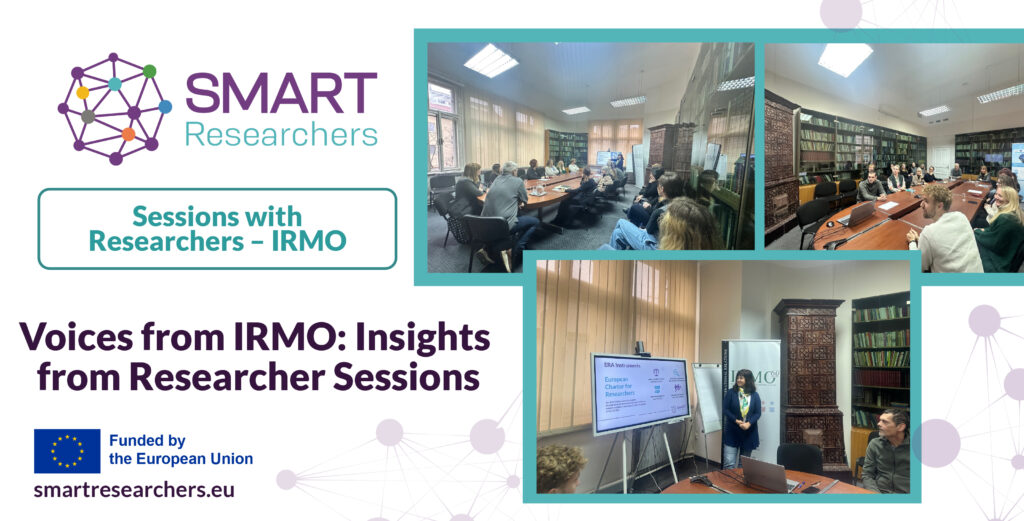
The SMART Researchers Questionnaire was conducted at the Institute for Development and International Relations (IRMO), with the aim of assessing institutional practices related to research careers in line with the principles of the European Research Area (ERA) and the European Charter for Researchers.
Read on to explore how the session unfolded and the steps ahead.
Engaging with Early-Stage Researchers
At IRMO, the SMART Researchers Questionnaire was administered exclusively online via a shared survey link, allowing respondents to complete it independently in a self-administered format.
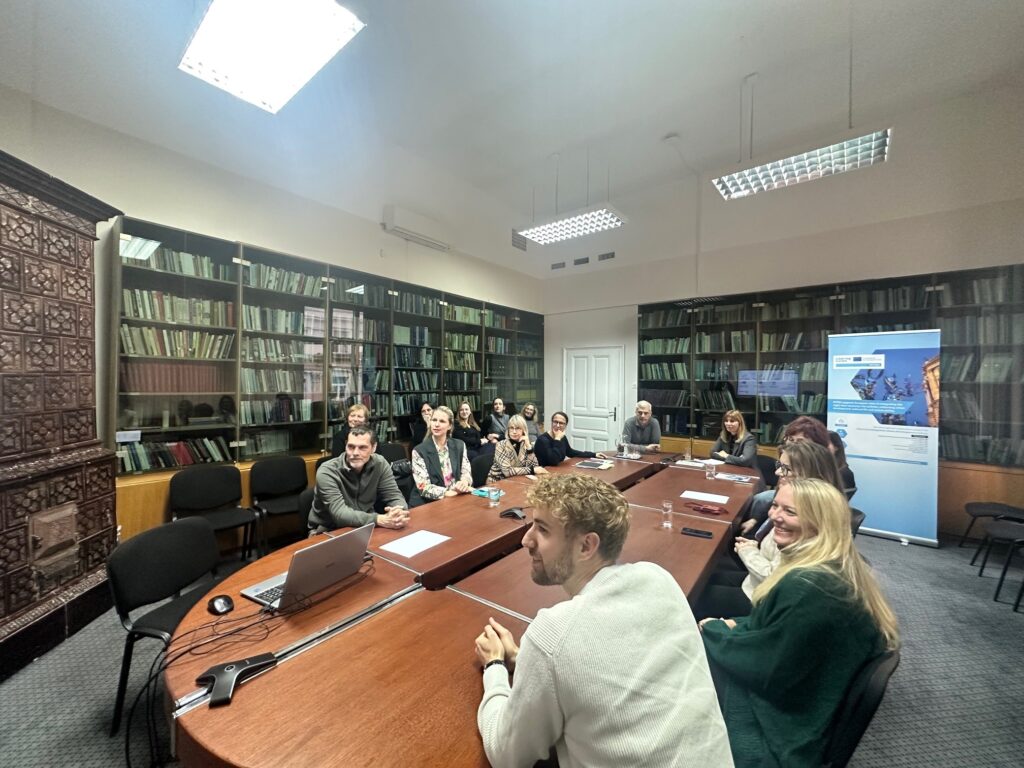
To support participation and ensure consistency in responses, facilitation was provided throughout the data collection period. This included an in-person workshop where participants received clear instructions on how to complete the questionnaire. In addition, a designated facilitator was available online to address questions and clarify specific items when needed.
A total of 21 respondents completed the questionnaire at IRMO, representing a range of research career stages (R1, R3, and R4). The majority were early-stage researchers (R1), complemented by leading and established researchers. Participants varied in age, with most in the 50–59 group and the fewest in the 25–29 range.
Respondents also reflected diverse employment arrangements, including permanent, fixed-term, and project-based contracts.
What We Learned
The results indicate that IRMO benefits from a strong research culture characterised by individual autonomy, ethical awareness, and generally well-functioning formal frameworks, while also revealing areas where institutional development could focus on better consolidation and greater coherence. Respondents report:
– strong individual engagement, ethical awareness, academic autonomy, and reliance on personal initiative;
– generally positive interpersonal relationships and collegial working environments;
– uneven institutionalisation of training, mentoring, career guidance, feedback, Open Science, and sustainability support;
– reliance on informal practices rather than structured, institution-wide mechanisms;
– more pronounced challenges for early-career and fixed-term researchers, particularly regarding income adequacy, career continuity, mentoring, and predictable career pathways.
Next Steps
The findings point to several priorities for future institutional development at IRMO. Efforts should focus on strengthening the visibility, coordination, and consistency of existing policies and support mechanisms, ensuring they are clearly communicated and applied across the institution.
There is also a need to reduce reliance on informal practices by further embedding structured approaches to mentoring, career development, and feedback. Strengthening the link between formal regulations and their day-to-day implementation in research practice will be key to improving overall coherence.
Particular attention should be given to improving predictability and support for early-career and fixed-term researchers within existing governance and policy frameworks. Finally, IRMO can continue to build alignment with ERA priorities through incremental, evidence-based institutional initiatives that reinforce existing strengths while addressing identified gaps.